EXECUTIVE DIRECTOR
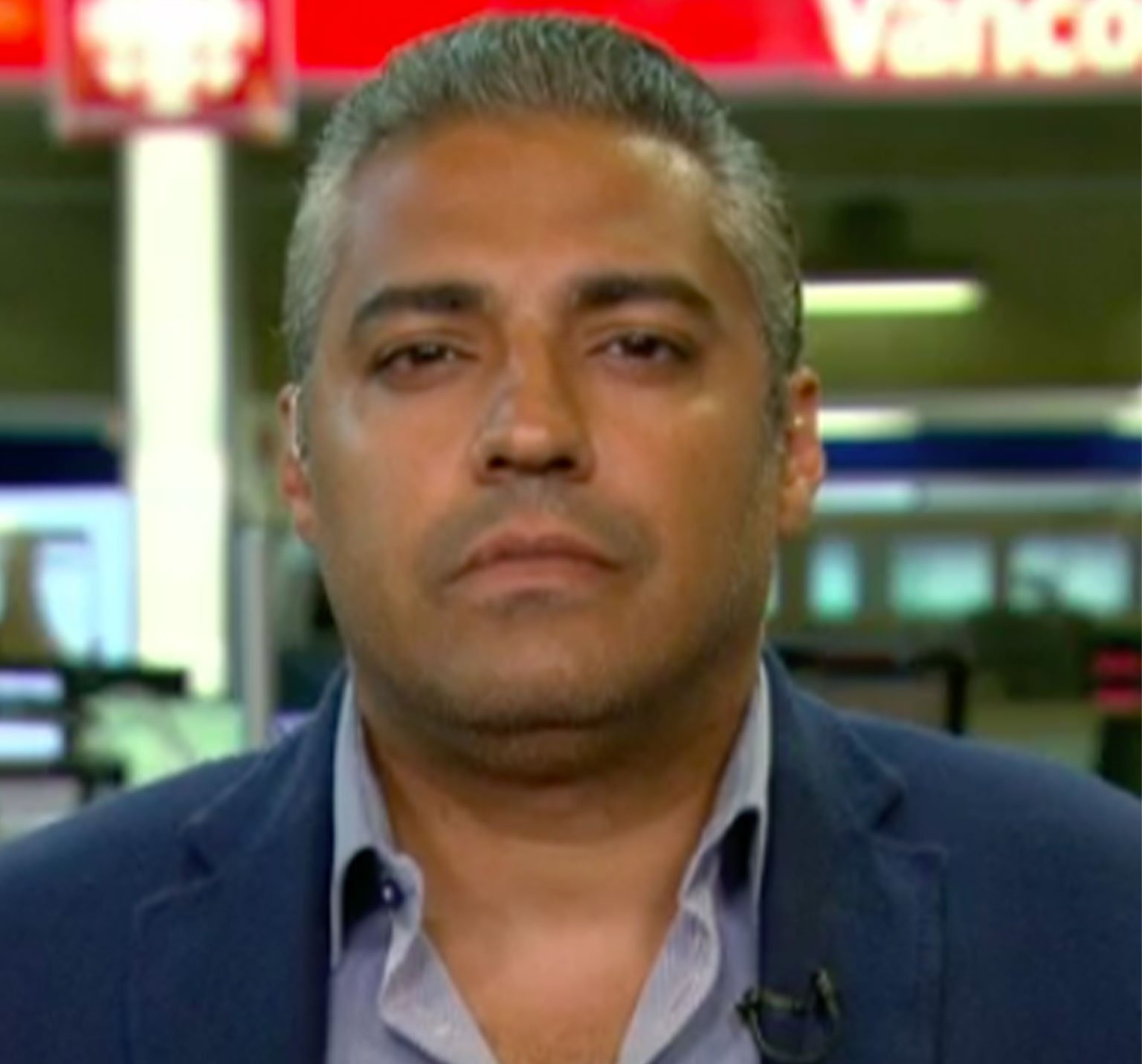
Mohamed Fahmy is an award-winning journalist and human rights defender whose work spans frontline conflict reporting, international humanitarian protection, and the study of radicalization and political violence. He began his career with the Los Angeles Times, entering Iraq from Kuwait on the first day of the U.S.-led invasion in March 2003. He later published his first book, Baghdad Bound: An Interpreter’s Chronicle of the Iraq War.
Driven by firsthand exposure to human rights abuses against the Iraqi people under Saddam Hussein’s regime and during the US Army’s invasion—including the notorious violations at Abu Ghraib prison—Fahmy joined the International Committee of the Red Cross (ICRC). In 2007, he was appointed to the ICRC Protection Team in Lebanon, where he conducted regular prison visits and confidential human rights interviews with hundreds of detainees, including members of the Muslim Brotherhood and fighters affiliated with Fatah al-Islam, a group later aligned with al-Qaeda-linked networks. These interviews were conducted without government escorts and remain confidential in accordance with the ICRC mandate and the Geneva Conventions. Fahmy later returned to journalism as a producer and reporter for CNN, covering the Arab Spring uprisings in Syria, Libya, and Egypt in 2011.
In 2013, while serving as Al Jazeera English’s bureau chief in Egypt, Fahmy was arbitrarily detained and convicted on trumped-up charges in a trial widely condemned by the United Nations, the Government of Canada, the United States government, and international legal observers, including his counsel at the time, Amal Clooney. During 438 days of imprisonment, he lived alongside senior members of the Muslim Brotherhood, al-Qaeda affiliates, and younger detainees sympathetic to extremist ideologies. He documented these experiences in his memoir, The Marriott Cell: A Journey from Cairo’s Scorpion Prison to Freedom. He was pardoned and released in 2015.
His experiences are also the subject of the Amazon documentary Mohamed Fahmy: Half Free, which provides a firsthand account of covering the political turmoil during the Egyptian revolution, the details of his televised arrest and the unprecedented prosecution brought against a seasoned journalist.
While still imprisoned, Fahmy became the first individual in Canada to be appointed as an adjunct professor while behind bars. Upon returning to Canada, he lectured at the University of British Columbia on journalism, Middle East geopolitics, political Islam, and the mechanisms of radicalization and recruitment targeting Muslim youth.
During this period, Fahmy also managed the establishment of his foundation, launched in 2015 with his Canadian legal team while he was still on trial in Egypt. Initially created to coordinate the global advocacy campaign calling for his release, the foundation has since evolved to focus on supporting Canadians detained abroad and persecuted journalists—through public awareness, legal advocacy, and international engagement.
Most recently, Fahmy documented the work of a counter-radicalization programs including the work of a certified practitioner within a UK-based prevention program, examining community-led interventions aimed at disengaging vulnerable Muslim youth prior to criminalization. His work today bridges journalism, human rights, and evidence-based prevention approaches aligned with Canadian public safety, legal, and human rights frameworks.